
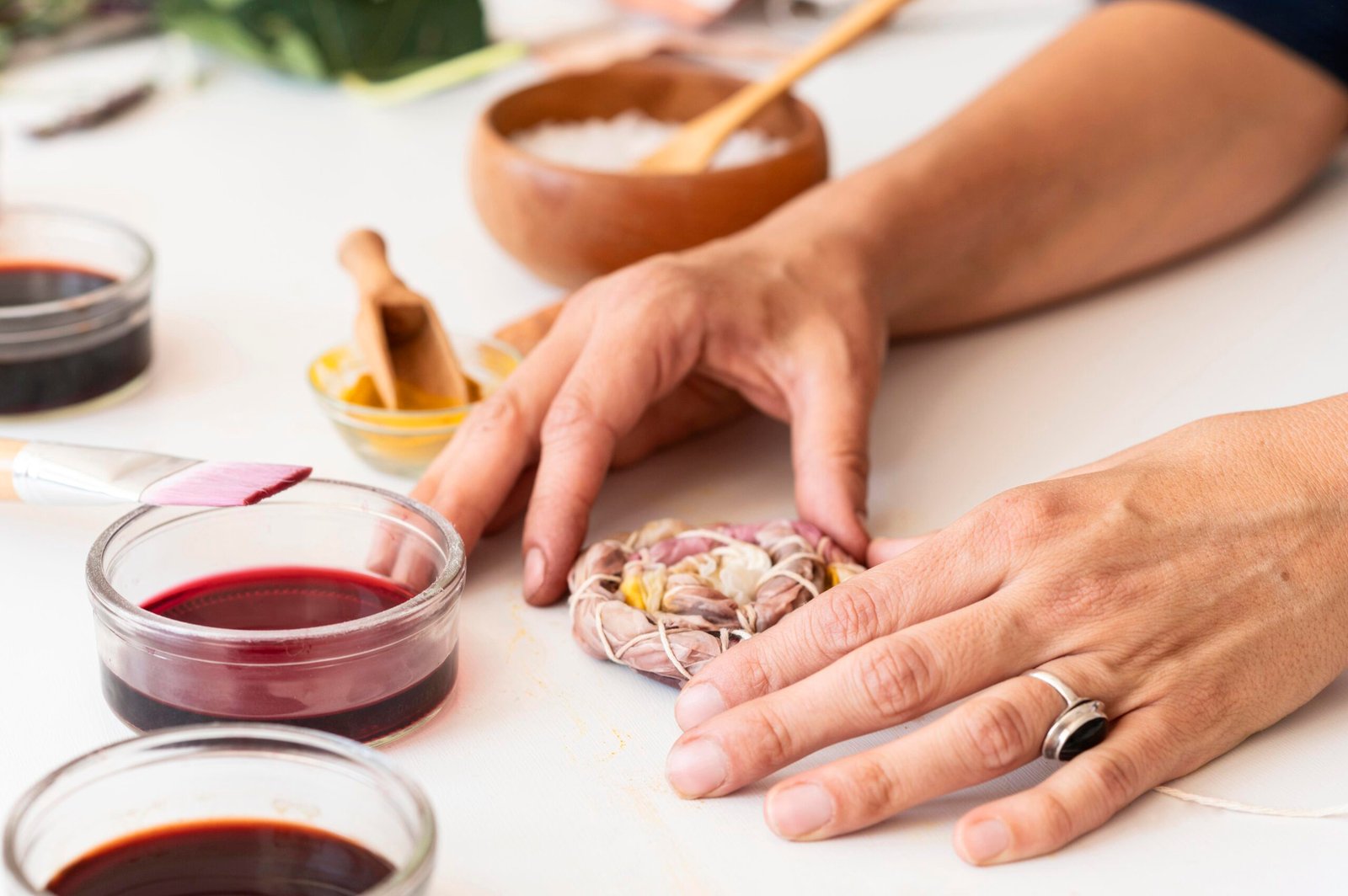
After surgery, proper care is important for healing. Many people now look for natural ways to support recovery. Ayurvedic wound healing tips for post-surgical recovery can help you heal faster and feel better. Ayurveda, an ancient Indian system, offers gentle and effective methods. These methods focus on herbs, diet, and lifestyle changes. In this blog, you will learn how Ayurveda can support your healing journey after surgery.
Understanding Post-Surgical Recovery in Ayurveda
Ayurveda believes the body heals best when it is balanced. After surgery, your body needs extra care. According to Ayurveda, wounds are called “Vrana.” Healing them involves cleansing, soothing, and nourishing the body. For example, Ayurveda uses herbs and oils to support the natural healing process. This approach aims to reduce pain, swelling, and infection risk. In addition, Ayurveda encourages a calm mind and healthy habits to speed up recovery.
Common Post-Surgical Wound Issues
Many people face problems after surgery. Some common wound issues include:
- Redness or swelling around the wound
- Pain or tenderness
- Slow healing or reopening of the wound
- Infection, which may cause pus or fever
- Scarring or thick skin around the area
However, with the right care, you can avoid many of these problems. Natural wound healing after surgery can help reduce these risks. Always watch for signs of infection and talk to your doctor if you notice anything unusual.
Ayurvedic Principles for Wound Healing
Ayurveda uses several principles to help wounds heal. First, it focuses on cleaning the wound gently. Next, it uses herbal pastes or oils to soothe the area. These remedies help reduce swelling and pain. In addition, Ayurveda supports the body’s natural repair by improving digestion and boosting immunity. For example, it suggests eating easy-to-digest foods and avoiding spicy or oily meals. Rest and stress reduction are also important. By following these steps, you can support your body’s healing process.
Top Ayurvedic Herbs and Remedies for Wound Care
Many Ayurvedic remedies for surgical wounds use natural herbs. Some of the most popular options include:
- Turmeric (Haldi): Known for its strong healing and anti-inflammatory effects. You can apply turmeric paste or use it in food.
- Neem: This herb helps fight infection. Neem oil or paste can be used on wounds after consulting your doctor.
- Aloe Vera: Aloe soothes the skin and helps wounds heal faster. Apply fresh aloe gel to the area.
- Honey: Natural honey can keep wounds moist and clean. It also helps prevent infection.
- Triphala: This herbal mix supports healing and can be used as a gentle wash.
However, always check with your healthcare provider before using any herbal remedy. Some herbs may not be safe for all wounds or may interact with medicines.
Diet and Lifestyle Tips for Faster Healing
Besides herbs, Ayurveda suggests simple diet and lifestyle changes. These tips can help you heal faster:
- Eat fresh, warm, and easy-to-digest foods like rice, lentils, and cooked vegetables.
- Drink plenty of water and herbal teas to stay hydrated.
- Avoid spicy, fried, or processed foods, as they may slow healing.
- Get enough rest and sleep to support your body’s repair process.
- Practice gentle breathing or meditation to reduce stress.
- Keep the wound clean and dry, following your doctor’s advice.
Moreover, a positive mindset can help your body heal. Try to stay calm and patient during your recovery.
Precautions and When to Seek Medical Help
While Ayurvedic wound care tips are helpful, some situations need urgent medical attention. For example, seek help if you notice:
- Severe pain or swelling that gets worse
- Red streaks or pus coming from the wound
- High fever or chills
- Bleeding that does not stop
- Wound edges pulling apart
Additionally, always follow your surgeon’s instructions. Do not stop any prescribed medicines without talking to your doctor. Herbal remedies should be used with care and only after medical advice.
In summary, Ayurvedic wound healing tips for post-surgical recovery can support your body’s natural healing. However, they should not replace medical care. Consult a qualified Ayurvedic practitioner Syed at The Anus and Rectum clinic for personalized post-surgical recovery advice.