
Introduction
Pelvic floor dyssynergia is a condition where the muscles that help you pass stool do not work together. This can make bowel movements hard or painful. Retraining your bowel habits is important for relief. Ayurveda, an ancient Indian system of medicine, offers natural ways to help. In this blog, you will learn about pelvic floor dyssynergia, its symptoms, and how Ayurveda can help retrain your bowel habits.
What is Pelvic Floor Dyssynergia?
Pelvic floor dyssynergia happens when the muscles in your pelvic area do not relax or contract at the right time. Because of this, passing stool becomes difficult. Normally, these muscles work together to let stool out. However, in dyssynergia, they may tighten instead of relaxing. This can lead to constipation and discomfort. Many people do not know they have this problem until they see a doctor.
Common Symptoms and Causes
People with pelvic floor dyssynergia may notice several signs. For example, you might feel the urge to go but cannot pass stool easily. Other symptoms include:
- Straining during bowel movements
- Feeling of incomplete emptying
- Hard or lumpy stools
- Abdominal pain or bloating
- Needing to use fingers to help pass stool
There are many causes. Sometimes, it develops after years of poor bowel habits. Other times, it may follow surgery or injury. Stress and anxiety can also play a role. In addition, chronic constipation may lead to this condition.
How Ayurveda Approaches Pelvic Floor Dyssynergia
Ayurveda looks at pelvic floor dyssynergia as an imbalance in the body’s natural energies, called doshas. According to Ayurveda, problems with digestion and elimination often relate to a disturbed Vata dosha. Therefore, Ayurvedic care focuses on restoring balance. This includes herbal remedies, gentle exercises, and lifestyle changes. Many Ayurvedic methods are safe and natural. However, it is important to use them under expert guidance.
Retraining Your Bowel Habits: Step-by-Step Ayurvedic Methods
Ayurveda offers several steps to help retrain your bowel habits. These methods are simple and can be done at home. For best results, follow them daily:
- Establish a Routine: Try to visit the toilet at the same time each day. This helps train your body.
- Practice Deep Breathing: Before trying to pass stool, take slow, deep breaths. This relaxes your pelvic muscles.
- Use Herbal Remedies: Triphala, a blend of three fruits, is often used in Ayurveda to support bowel health. Always consult an expert before use.
- Gentle Abdominal Massage: Massaging your belly in a clockwise direction can help move stool through your colon.
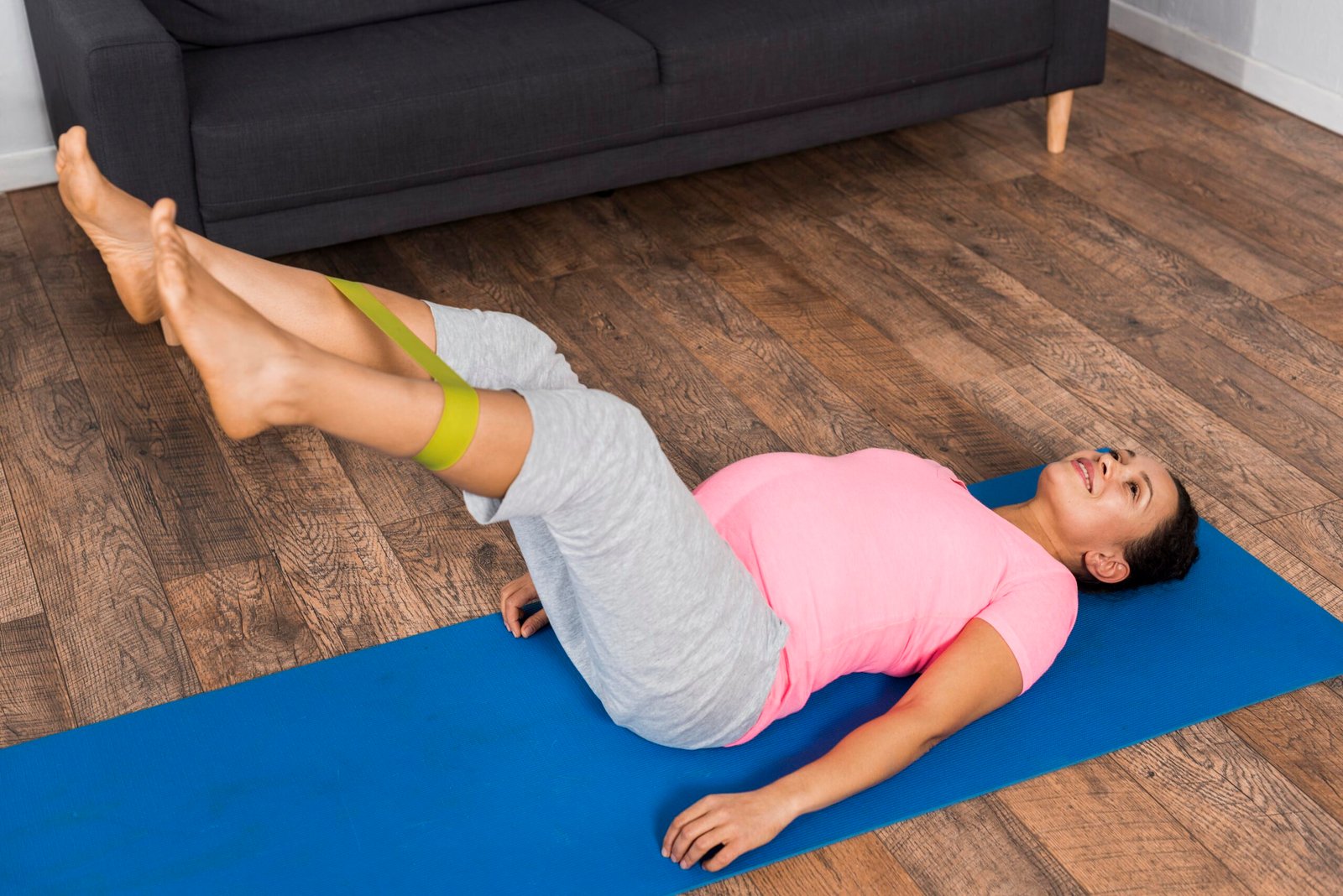
- Yoga and Pelvic Exercises: Simple yoga poses and pelvic floor exercises, like Mula Bandha, can improve muscle control.
Because everyone is different, these steps may work better for some people than others. If you do not see improvement, seek professional advice.
Lifestyle and Dietary Guidance
Along with retraining, Ayurveda suggests changes in diet and lifestyle. These changes can make a big difference. For example, you can:
- Eat more fiber-rich foods like fruits, vegetables, and whole grains
- Drink plenty of warm water throughout the day
- Avoid processed and spicy foods, which may upset your digestion
- Include healthy fats, such as ghee or olive oil, in your meals
- Go for a short walk after eating to help digestion
Moreover, try to eat meals at regular times. This helps your body develop a natural rhythm.
Prevention Tips
Preventing pelvic floor dyssynergia is possible with a few simple habits. For instance, you can:
- Do not ignore the urge to pass stool
- Stay active with daily exercise
- Manage stress with relaxation techniques, such as meditation
- Maintain a healthy weight
- Practice good toilet posture, such as keeping your feet on a small stool
By following these tips, you can support your bowel health and lower your risk.
When to Seek Professional Help
Sometimes, home remedies and lifestyle changes are not enough. If you have severe pain, bleeding, or sudden changes in bowel habits, see a doctor right away. Also, if you do not get better after trying Ayurvedic methods, consult a qualified Ayurvedic practitioner or healthcare specialist. Early care can prevent further problems and improve your quality of life.
Conclusion
Pelvic floor dyssynergia can be managed with the right approach. Ayurveda offers gentle, natural ways to retrain your bowel habits. However, every person is unique. For the best results, consult a qualified Ayurvedic practitioner Syed at The Anus and Rectum clinic or healthcare specialist for personalized guidance.