
Introduction
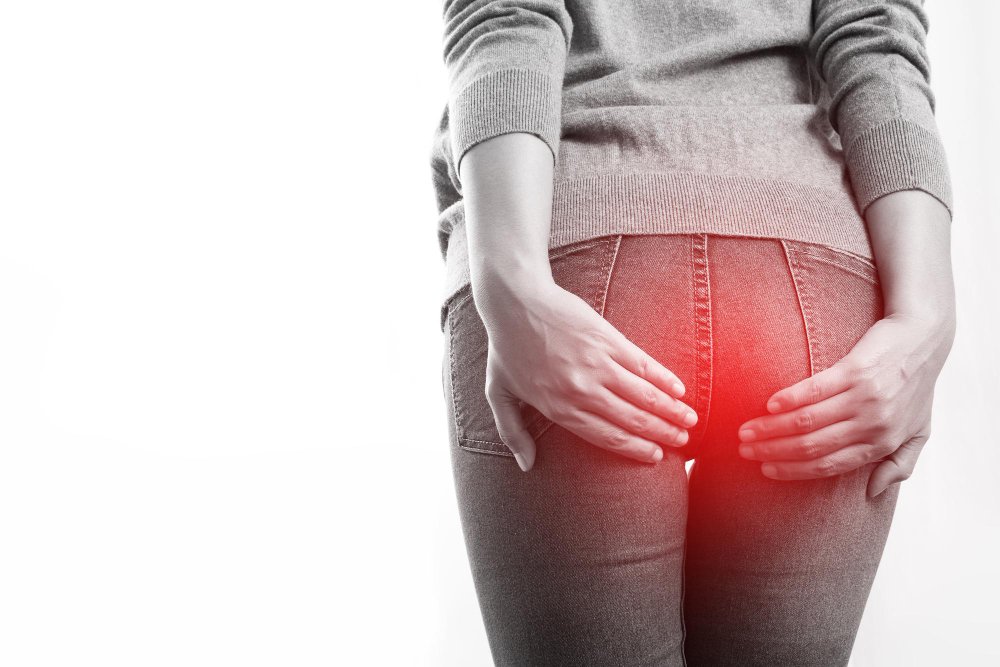
Rectovaginal fistula is a medical condition where an abnormal connection forms between the rectum and vagina. This can lead to sudden, painful blue lumps near the anus, often caused by strained blood vessels. These lumps may look alarming and can cause discomfort. Because of the sensitive location, many people feel worried or embarrassed. However, understanding rectovaginal fistula and its symptoms can help you seek the right care. In this blog, we will discuss rectovaginal fistula symptoms, causes, diagnosis, and treatment options. We will also share tips for prevention and self-care.
What is a Rectovaginal Fistula?
A rectovaginal fistula is an unusual passage that connects the rectum (the last part of the large intestine) to the vagina. This opening allows stool or gas to pass from the rectum into the vagina. As a result, women may notice leakage or infections. Sometimes, strained blood vessels near the anus can also cause painful blue lumps. These lumps may be related to swelling or blood clots in the area. While the fistula itself is a serious issue, the blue lumps can add to the discomfort and pain.
Symptoms and Warning Signs
It is important to recognize the symptoms early. Some common signs of rectovaginal fistula and related blood vessel problems include:
- Painful blue lump near the anus
- Sudden swelling or tenderness around the anus
- Leakage of stool or gas from the vagina
- Frequent vaginal or urinary infections
- Itching or irritation in the anal or vaginal area
- Unusual discharge with a foul smell
Sometimes, the blue lump may appear after straining during bowel movements. If you notice any of these symptoms, you should contact a doctor soon. Early treatment can prevent complications.
Causes: Strained Blood Vessels and Other Risk Factors
There are several reasons why a rectovaginal fistula may develop. Strained blood vessels near the anus can lead to painful blue lumps. These lumps are often caused by:
- Heavy straining during bowel movements
- Chronic constipation
- Childbirth injuries, especially after a difficult delivery
- Inflammatory bowel diseases, such as Crohn’s disease
- Previous surgeries in the pelvic area
- Radiation therapy for cancer
- Infections or abscesses near the rectum
For example, women who have had a long or complicated labor are at higher risk. In addition, people with ongoing digestive problems may also be more likely to develop fistulas or blood vessel issues.
Diagnosis: How Doctors Identify the Condition
Doctors use several methods to diagnose rectovaginal fistula and related problems. First, they will ask about your symptoms and medical history. Next, a gentle physical exam helps check for lumps or openings. Sometimes, doctors use special tests, such as:
- Imaging scans (like MRI or CT scans) to see inside the body
- Endoscopy, where a thin tube with a camera looks at the rectum and vagina
- Contrast dye tests to find the fistula’s path
With these tools, doctors can find the exact location and size of the fistula. This helps them choose the best treatment for you.
Treatment Options: Medical and Surgical Approaches
Treatment for rectovaginal fistula and painful blue lumps near the anus depends on the cause and severity. Here are some common options:
- Medications: Doctors may prescribe antibiotics to treat infections. Stool softeners can help reduce straining.
- Non-surgical care: Warm baths and gentle cleaning can ease discomfort. Sometimes, small fistulas heal on their own with proper care.
- Surgical repair: If the fistula is large or does not heal, surgery may be needed. Surgeons close the abnormal opening and repair the tissue.
- Treatment for blood vessel lumps: Doctors may drain or remove painful lumps if they do not improve. In many cases, these lumps heal with rest and simple care.
Each person’s treatment plan is different. Therefore, it is important to follow your doctor’s advice closely.
Lifestyle Tips and Self-Care
While medical care is key, some self-care steps can help you feel better. For instance, you can:
- Eat a high-fiber diet to prevent constipation
- Drink plenty of water every day
- Avoid straining during bowel movements
- Take warm sitz baths to soothe the area
- Keep the anal and vaginal area clean and dry
- Wear loose, comfortable clothing
In addition, regular gentle exercise can improve digestion. If you have pain or swelling, rest and avoid heavy lifting until you heal.
Prevention: Reducing Your Risk
Although not all cases can be prevented, you can lower your risk of rectovaginal fistula and painful blue lumps by:
- Managing constipation with diet and hydration
- Seeking prompt care for infections or injuries
- Following safe childbirth practices
- Discussing any digestive problems with your doctor
- Attending regular health check-ups
By taking these steps, you can protect your health and reduce the chance of complications from strained blood vessels.
Conclusion
Rectovaginal fistula and sudden, painful blue lumps near the anus can be distressing. However, early recognition and proper care can make a big difference. If you notice symptoms or have concerns, do not wait. Consult Dr Syed at The Anus and Rectum clinic for personalized advice and treatment options.