
Introduction
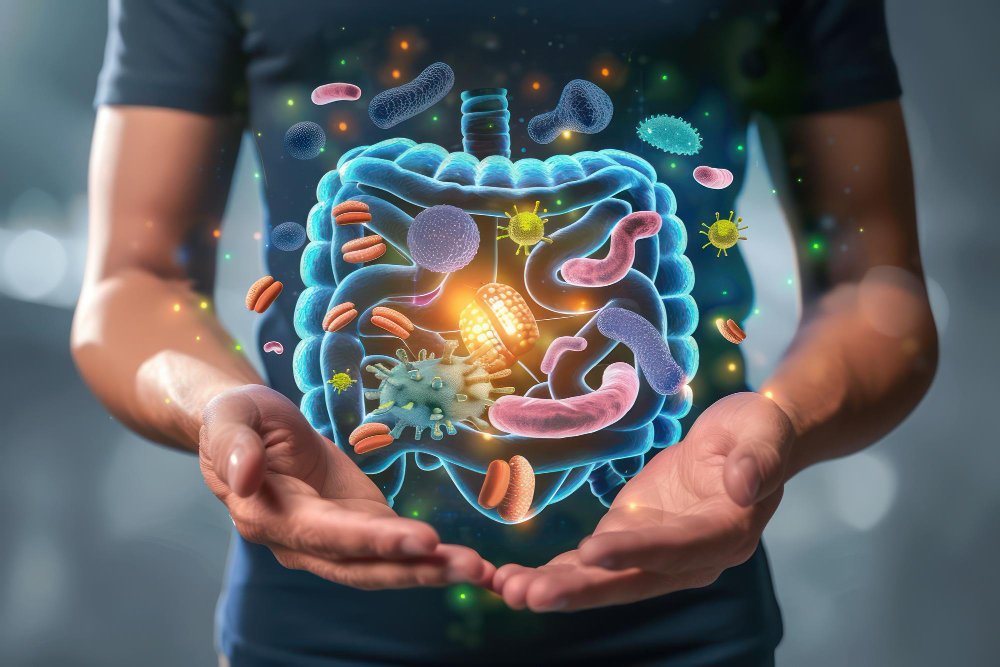
Gut health plays a big part in keeping your whole body healthy. In fact, a healthy gut can help prevent many anorectal diseases. These include problems like hemorrhoids and anal fissures. Because your gut and anorectal area are closely linked, taking care of your gut is important. In this blog, you will learn how gut health and its role in anorectal disease prevention matter for your well-being.
What Is Gut Health?
Gut health means your digestive system works well. It includes your stomach, intestines, and the helpful bacteria living there. When your gut is healthy, you digest food better and absorb nutrients. Also, your immune system stays strong. For example, a healthy gut can fight off harmful germs. Good gut health helps prevent many health problems, including those in the anorectal area.
Common Anorectal Diseases
Several diseases can affect the anus and rectum. These are called anorectal diseases. Some of the most common include:
- Hemorrhoids: Swollen veins in the anus or rectum. They can cause pain, itching, or bleeding.
- Anal fissures: Small tears in the lining of the anus. These often cause pain during bowel movements.
- Anal abscesses: Collections of pus near the anus. They can lead to swelling and discomfort.
- Fistulas: Small tunnels that form between the anus and nearby skin. They may cause drainage or pain.
Because these conditions can be painful, it is important to know how to prevent them.
How Gut Health Affects Anorectal Disease Risk
Gut health and anorectal disease risk are closely connected. When your gut works well, your stools stay soft and regular. This means you do not strain during bowel movements. As a result, you lower your risk of hemorrhoids and fissures. On the other hand, poor gut health can lead to constipation or diarrhea. Both can irritate the anorectal area. For example, frequent constipation puts pressure on veins, causing hemorrhoids. In addition, diarrhea can inflame the anal lining, leading to fissures. Therefore, keeping your gut healthy helps prevent these problems.
Key Factors for Maintaining Good Gut Health
Several things help keep your gut healthy. Here are some key factors:
- Fiber-rich diet: Eating fruits, vegetables, and whole grains adds fiber. Fiber keeps stools soft and easy to pass.
- Hydration: Drinking enough water helps your gut move waste smoothly.
- Probiotics: Foods like yogurt and fermented products add good bacteria to your gut.
- Regular exercise: Moving your body helps your gut work better.
- Limiting processed foods: Too many processed foods can harm gut bacteria.
Because these habits support a healthy gut, they also help prevent anorectal problems.
Practical Tips for Prevention
To improve gut health and prevent anorectal problems, try these simple tips:
- Eat at least five servings of fruits and vegetables each day.
- Choose whole grains over white bread or rice.
- Drink six to eight glasses of water daily.
- Include yogurt or other probiotic foods in your meals.
- Exercise for at least 30 minutes most days.
- Limit foods high in sugar and fat.
- Do not ignore the urge to have a bowel movement.
- Practice good bathroom habits, such as not straining.
By following these steps, you can support a healthy gut and lower your risk of anorectal diseases.
When to See a Doctor
Sometimes, anorectal symptoms need medical attention. For example, if you notice bleeding, severe pain, or changes in your bowel habits, see a doctor. Also, if home remedies do not help, it is best to get checked. Early treatment can prevent problems from getting worse. Remember, regular check-ups help keep your gut and anorectal area healthy.
In summary, taking care of your gut is key to preventing anorectal diseases. For personalized guidance on gut and anorectal health, consult a specialist at Syed ( The Anus and Rectum clinic ).