
What Are Piles?
Piles, also called hemorrhoids, are swollen veins in the lower part of the rectum or anus. Many people experience this problem at some point. In fact, studies suggest that about half of adults over age 50 may have piles. There are two main types. Internal piles form inside the rectum, while external piles appear under the skin around the anus. Although piles are common, they can cause discomfort and affect daily life. For those seeking gentle care, Ayurvedic treatment for piles is gaining popularity as a natural option.
Common Symptoms of Piles
Often, symptoms of piles can be mild at first. However, they may become more noticeable over time. Some common signs include:
- Bleeding during bowel movements
- Pain or discomfort in the anal area
- Itching or irritation near the anus
- Swelling or a lump around the anus
- Leakage of stool
Sometimes, symptoms may come and go. Yet, if you notice bleeding or pain, it is important to seek advice from a healthcare provider.
Causes and Risk Factors of Piles
Several factors can lead to piles. For example, straining during bowel movements puts pressure on the veins. In addition, sitting for long periods can increase risk. Other causes and risk factors include:
- Chronic constipation or diarrhea
- Low-fiber diet
- Obesity
- Pregnancy
- Family history of piles
- Aging
Because these factors are common, piles affect people of all ages. Still, healthy habits can help lower your risk.
How Ayurveda Explains Piles
Ayurveda is an ancient Indian system of medicine. According to Ayurveda, piles are called “Arsha.” This condition happens when there is an imbalance in the body’s three doshas: Vata, Pitta, and Kapha. For instance, poor digestion or unhealthy eating can disturb these doshas. As a result, the veins in the rectal area swell and cause piles. Ayurveda for piles relief focuses on restoring balance in the body. It uses natural remedies and lifestyle changes to support healing.
Ayurvedic Diagnosis of Piles
In Ayurveda, diagnosis begins with a detailed talk about your health and habits. Practitioners may ask about your digestion, diet, and daily routine. Next, they examine the affected area gently. They also check your pulse and tongue. This helps them understand which dosha is out of balance. Because each person is unique, Ayurvedic treatment for piles is tailored to your needs.
Ayurvedic Treatments for Piles
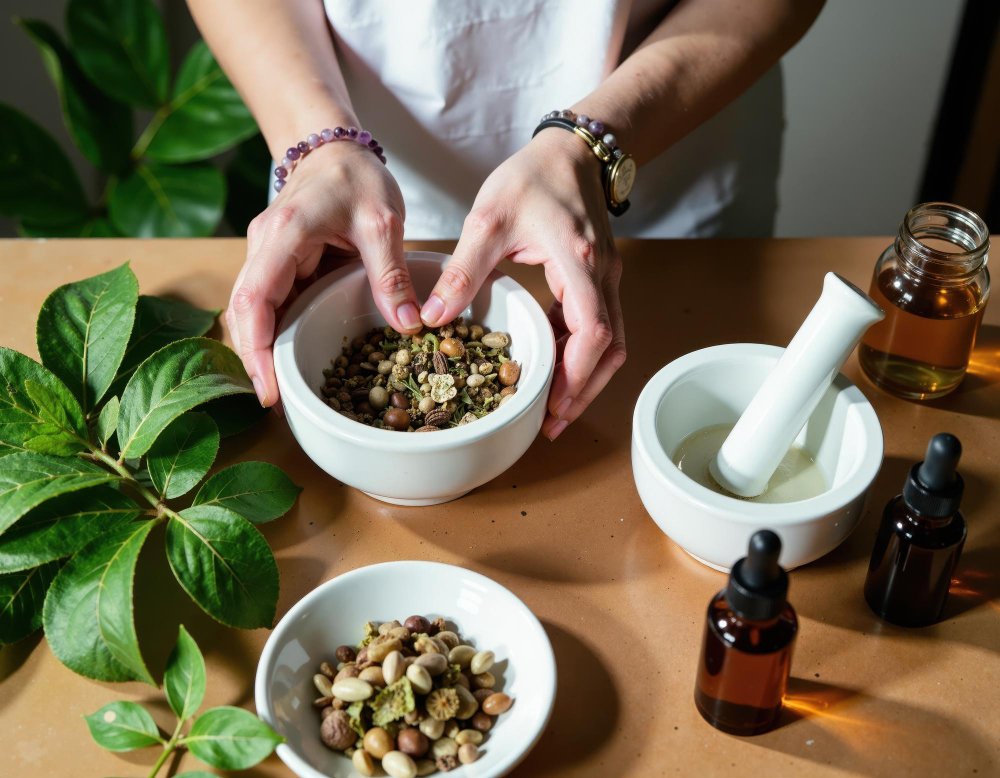
Ayurvedic treatment for piles uses natural remedies and therapies. Some common options include:
- Herbal medicines like Triphala, Haritaki, and Arshoghni Vati
- Topical creams made from herbs such as turmeric and neem
- Sitz baths with warm water and herbal extracts
- Kshara Sutra therapy, a special thread treatment for severe cases
- Dietary changes to improve digestion and soften stools
Because these treatments are gentle, many people prefer them for long-term relief. However, it is important to use Ayurvedic remedies under the guidance of a trained practitioner.
Lifestyle and Dietary Guidance in Ayurveda for Piles
Ayurveda for piles relief also includes advice on daily habits. For example, eating a high-fiber diet helps prevent constipation. Drinking plenty of water keeps stools soft. In addition, regular exercise supports healthy digestion. Ayurveda suggests:
- Eating fresh fruits and vegetables
- Avoiding spicy, oily, or processed foods
- Not delaying the urge to pass stool
- Practicing yoga and breathing exercises
- Maintaining a regular sleep schedule
With these changes, you may notice fewer symptoms and better overall health.
Prevention of Piles with Ayurvedic Practices
Preventing piles is possible with simple Ayurvedic habits. First, focus on a balanced diet rich in fiber. Next, stay active and avoid sitting for long periods. Ayurveda also recommends:
- Drinking warm water in the morning
- Including ghee or healthy oils in your meals
- Practicing regular bowel habits
- Managing stress with meditation or gentle yoga
- Using natural remedies for minor digestive issues
By following these steps, you can lower your risk of piles and enjoy better digestive health.