
Understanding Piles and Their Prevalence
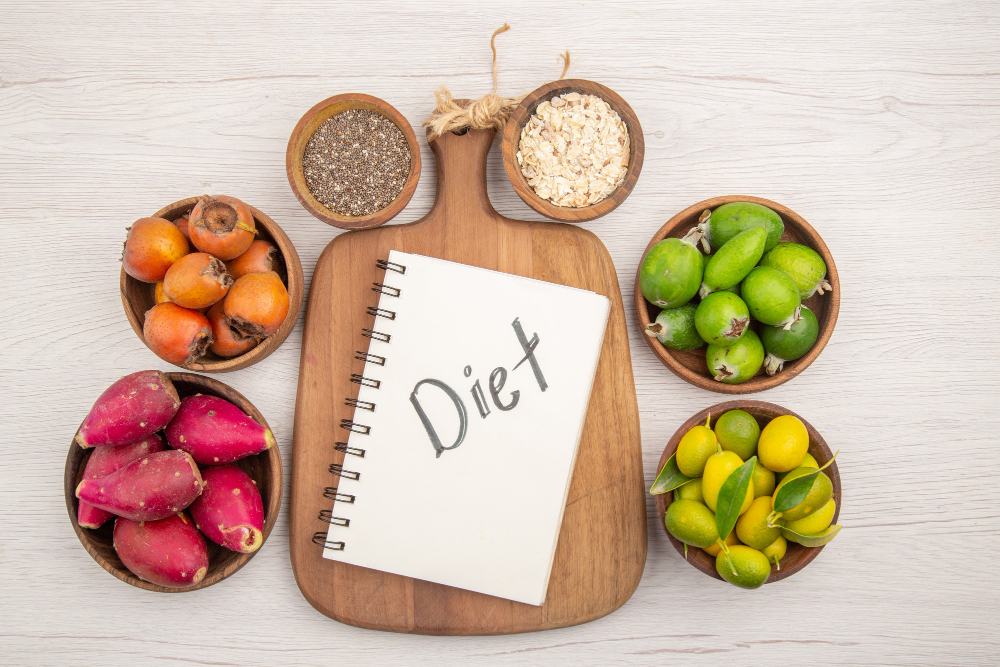
Piles, also called hemorrhoids, are swollen veins in the lower part of the rectum or anus. Many people experience discomfort, itching, or bleeding due to piles. In fact, studies show that about half of adults may face piles at some point in their lives. Although piles are common, they can often be prevented with simple lifestyle changes. For example, a fiber-rich diet in preventing piles is one of the most effective natural ways to avoid hemorrhoids.
Ayurveda’s Perspective on Piles
According to Ayurveda, piles are known as “Arsha.” Ayurveda believes that an imbalance in the body’s natural energies, or doshas, can lead to piles. Poor digestion and constipation are seen as main causes. Therefore, Ayurveda recommends a balanced diet and healthy habits to support digestion. Notably, a fiber-rich diet for piles prevention is a key part of Ayurvedic advice. This approach helps keep the digestive system healthy and reduces the risk of piles.
The Role and Benefits of a Fiber-Rich Diet in Preventing Piles
Fiber is a type of plant material that the body cannot fully digest. However, it plays a big role in keeping the bowels regular. When you eat enough fiber, your stool becomes softer and easier to pass. As a result, you strain less during bowel movements, which lowers the risk of piles. In addition, fiber helps prevent constipation, a major cause of hemorrhoids. Many health experts, including the World Health Organization (WHO), recommend a high-fiber diet for good digestive health.
- Reduces constipation and straining
- Softens stool for easier passage
- Supports healthy gut bacteria
- Helps maintain a healthy weight
Common Fiber-Rich Foods Recommended in Ayurveda
Ayurveda suggests eating natural, whole foods to boost fiber intake. These foods are easy to find in most regions. For example, you can include the following in your daily meals:
- Whole grains like brown rice, barley, and millet
- Fresh fruits such as apples, pears, and guavas
- Leafy greens like spinach and fenugreek
- Root vegetables such as carrots and sweet potatoes
- Legumes including lentils, chickpeas, and beans
- Nuts and seeds, for example, flaxseeds and almonds
Additionally, Ayurveda advises choosing seasonal and local produce for best results.
Practical Tips for Increasing Fiber Intake
Adding more fiber to your diet does not have to be hard. In fact, small changes can make a big difference. Here are some easy ways to get started:
- Start your day with whole grain porridge or oats
- Add a serving of salad or raw veggies to lunch and dinner
- Snack on fresh fruits instead of processed foods
- Include lentils or beans in soups and stews
- Drink plenty of water to help fiber work well in your body
However, increase fiber slowly to avoid bloating or gas. Also, remember to stay hydrated, as water helps fiber move through the digestive system.
Lifestyle Guidance and Prevention Strategies
Besides diet, Ayurveda suggests other habits to prevent piles. For instance, regular exercise keeps the bowels active. Try to avoid sitting for long periods. Take short walks during the day. In addition, do not ignore the urge to have a bowel movement. Delaying can make stools harder and increase the risk of piles. Practicing stress management, such as yoga or meditation, also supports healthy digestion.
- Exercise daily, even gentle walking helps
- Use the bathroom as soon as you feel the need
- Practice yoga or deep breathing for stress relief
- Maintain a healthy weight
For people in different regions, choose local fiber-rich foods that are fresh and easy to find. This makes it simpler to stick to healthy habits.
Summary and Key Takeaways
To sum up, piles are common but can often be prevented. Ayurveda highlights the value of a fiber-rich diet in preventing piles. Eating more whole grains, fruits, and vegetables helps keep your bowels healthy. Along with a balanced diet, regular exercise and good habits play a big role. If you want to learn more about an Ayurvedic diet for hemorrhoids or need personalized advice, consult an Ayurvedic specialist at The Anus and Rectum Clinic.