
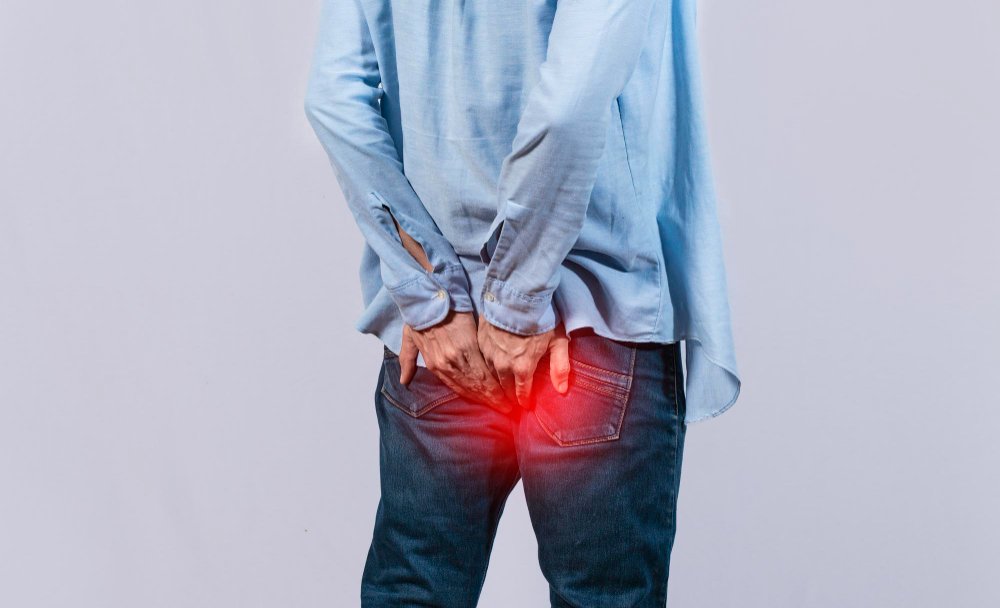
Introduction to Piles (Hemorrhoids) in Ayurveda
Piles Decoded: What Your Symptoms Are Trying to Tell You is a topic many people search for when facing discomfort. Piles, also called hemorrhoids, are swollen veins in the lower rectum or anus. In Ayurveda, piles are known as Arsha. This ancient system sees piles as a result of imbalances in the body’s natural energies, called doshas. Because piles can cause pain and embarrassment, understanding their signs is important. Ayurveda offers natural piles treatment options that focus on the root cause, not just the symptoms.
Common Symptoms of Piles: What They Indicate
Recognizing the symptoms of hemorrhoids early can help you seek the right care. While symptoms may vary, some are more common than others. For example, you may notice:
- Bleeding during bowel movements
- Pain or discomfort around the anus
- Itching or irritation in the anal area
- Swelling or a lump near the anus
- Mucus discharge after passing stool
However, each symptom can tell a different story. For instance, bleeding may signal internal piles, while pain often points to external piles. If you see blood in your stool, it is wise to consult a doctor. Sometimes, these signs can also mean other health issues.
Ayurvedic Perspective: Causes and Imbalances
According to Ayurveda, piles develop due to an imbalance in the body’s Vata, Pitta, or Kapha doshas. Often, poor digestion and a sedentary lifestyle play a big role. In addition, eating spicy or oily foods can upset your digestive fire, known as Agni. This leads to constipation, which puts pressure on the veins in the rectum. Over time, this pressure causes swelling and discomfort. Ayurveda believes that correcting these imbalances can help prevent and treat piles naturally.
Diagnosis: How Ayurveda Identifies Piles
Ayurveda piles diagnosis starts with a detailed talk about your symptoms and lifestyle. Next, an Ayurvedic doctor may check your pulse and look for signs of dosha imbalance. Sometimes, a gentle physical exam is needed. In addition, your diet, bowel habits, and stress levels are discussed. This holistic approach helps find the root cause, not just the visible symptoms. Early diagnosis can make natural piles treatment more effective.
Ayurvedic Treatment Approaches (Herbs, Diet, Lifestyle)
Ayurvedic remedies for piles focus on healing from within. Treatment plans are tailored to each person’s needs. Common approaches include:
- Herbs: Triphala, Haritaki, and Arshoghni Vati help ease constipation and reduce swelling.
- Diet: Eating fiber-rich foods like fruits, vegetables, and whole grains keeps stools soft.
- Lifestyle: Regular exercise and drinking plenty of water support healthy digestion.
- Topical Applications: Herbal pastes or oils may soothe pain and itching.
Moreover, Ayurveda may suggest gentle cleansing therapies, called Panchakarma, to remove toxins. Always follow an expert’s advice before starting any remedy.
Prevention Tips and Lifestyle Guidance
Preventing piles is possible with a few simple steps. For example, you can:
- Eat a balanced diet high in fiber
- Drink at least 8 glasses of water daily
- Exercise regularly to improve bowel movement
- Avoid sitting for long periods
- Do not strain during bowel movements
- Practice stress-reducing activities like yoga or meditation
Additionally, making these changes can help you avoid future flare-ups. Small daily habits can make a big difference in your digestive health.
When to Seek Medical Help
While natural piles treatment can help many people, some symptoms need quick medical care. For instance, if you notice heavy bleeding, severe pain, or a lump that does not go away, see a doctor right away. Sometimes, these signs may point to other serious problems. According to the World Health Organization (WHO), early treatment leads to better outcomes. Therefore, do not ignore symptoms that last more than a week.
In summary, understanding what your symptoms mean is the first step to healing. Consult Dr. Syed ( The Anus and Rectum clinic ) for personalized guidance on piles.