
What Is Rectal Prolapse?
Rectal prolapse happens when the lining of the rectum slips out through the anus. This condition can cause discomfort, pain, and embarrassment. Often, people notice a pink or red mass coming out during bowel movements. Rectal prolapse can affect anyone, but it is more common in older adults and women. Ayurveda offers natural ways to help manage this problem and strengthen the pelvic floor muscles.
Why Does the Rectal Lining Slip? (Causes and Risk Factors)
Several reasons can cause the rectal lining to slip. For example, weak pelvic floor muscles often play a big role. In addition, long-term constipation or straining during bowel movements can increase the risk. Other causes include:
- Chronic diarrhea or constipation
- Previous injury or surgery in the pelvic area
- Old age, which can weaken muscles
- Pregnancy and childbirth
- Neurological conditions, such as spinal cord injuries
Because these factors weaken the support around the rectum, the lining may slip out more easily.
Symptoms and Diagnosis of Rectal Prolapse
Usually, the first sign is a lump or bulge coming out of the anus, especially after a bowel movement. However, other symptoms may include:
- Feeling of fullness in the rectum
- Bleeding or mucus discharge
- Difficulty controlling bowel movements
- Itching or irritation around the anus
Doctors diagnose rectal prolapse by asking about symptoms and doing a physical exam. Sometimes, they may suggest tests like colonoscopy to rule out other problems.
Ayurvedic Perspective on Rectal Prolapse
According to Ayurveda, rectal prolapse is linked to an imbalance in the body’s natural energies, especially Vata dosha. When Vata is disturbed, it can weaken the muscles and tissues that support the rectum. Therefore, Ayurveda focuses on restoring balance, improving digestion, and strengthening the pelvic floor naturally. Ayurvedic treatment for rectal prolapse uses herbs, diet, and gentle exercises to support healing.
How Ayurveda Strengthens Pelvic Floor Muscles
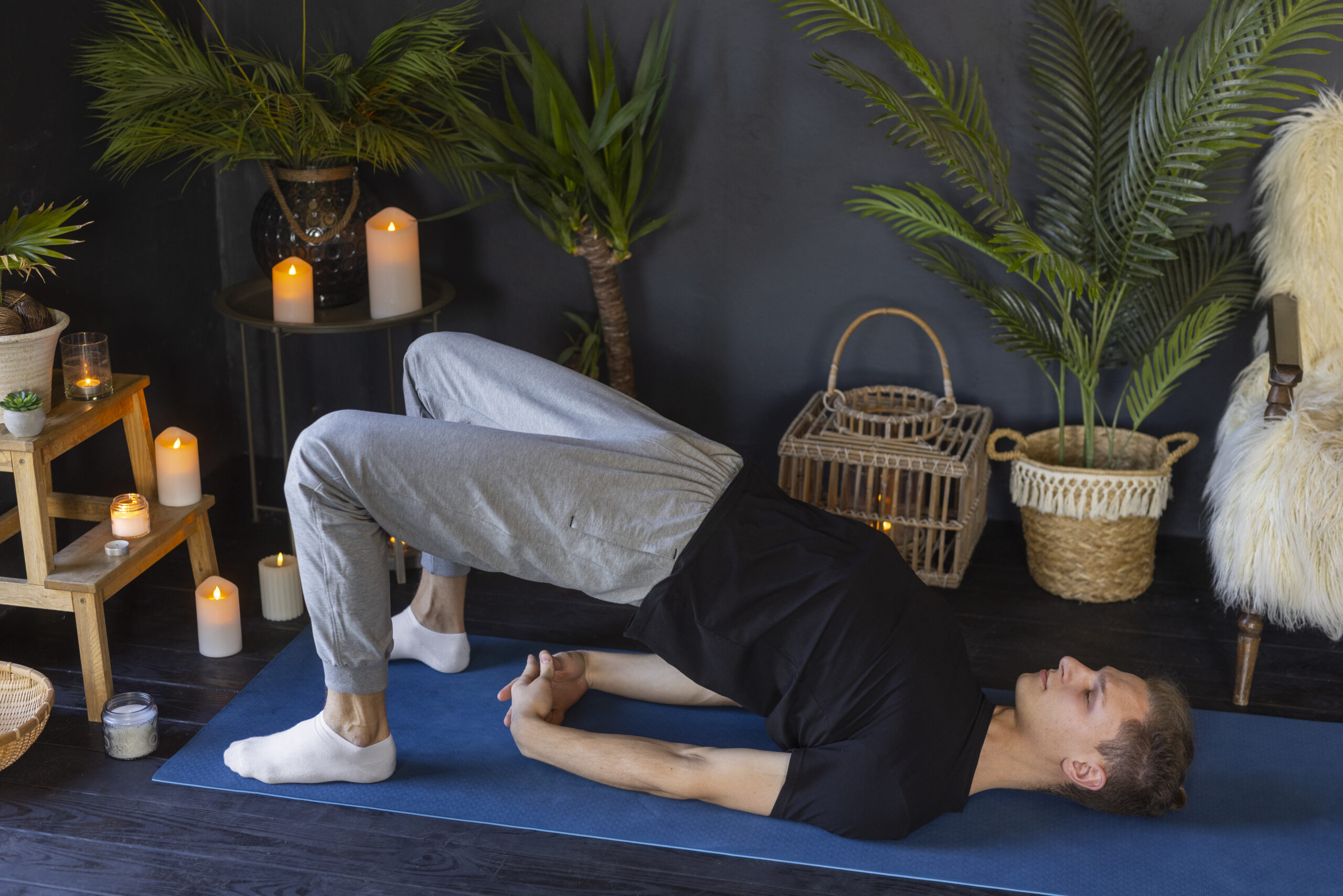
Ayurveda offers many ways to strengthen pelvic floor muscles. For instance, certain yoga poses and breathing exercises help tone these muscles. In addition, herbal remedies may improve muscle strength and tissue health. Some common Ayurvedic practices include:
- Yoga poses like Mula Bandha (root lock) and Ashwini Mudra
- Breathing exercises (Pranayama) to improve blood flow
- Herbs such as Ashwagandha and Shatavari for muscle support
Because these methods are gentle, they can be done daily to help prevent further prolapse.
Ayurvedic Treatments and Lifestyle Guidance
Ayurvedic treatment for rectal prolapse often includes a mix of therapies. For example, doctors may suggest:
- Herbal medicines to improve digestion and reduce strain
- Oil massages (Abhyanga) to relax and strengthen muscles
- Warm sitz baths with herbal decoctions
- Diet changes to avoid constipation, such as eating more fiber and drinking water
- Gentle yoga and pelvic floor exercises
Moreover, Ayurveda for digestive health focuses on regular eating habits and avoiding foods that cause gas or bloating.
Prevention Tips Using Ayurveda
Preventing rectal prolapse is possible with a few simple steps. Ayurveda recommends:
- Eating a balanced diet rich in fruits, vegetables, and whole grains
- Drinking enough water every day
- Practicing regular yoga and breathing exercises
- Avoiding straining during bowel movements
- Managing stress through meditation or relaxation techniques
Because these habits support strong pelvic floor muscles, they help lower the risk of rectal prolapse.
When to Seek Medical Help
If you notice a lump, bleeding, or trouble controlling bowel movements, you should see a doctor. Early treatment can prevent problems from getting worse. Although Ayurveda offers many natural options, sometimes surgery or other medical care is needed. Therefore, always talk to a healthcare provider for the best advice.
In summary, rectal prolapse can be managed with a mix of modern and Ayurvedic care. Consult an Ayurvedic specialist with Syed ( The Anus and Rectum clinic ) for personalized guidance on rectal prolapse.